


9 Reasons Why Low Sugar Alcohol Is Better-For-You
9 Reasons Why Low Sugar Alcohol Is Better-For-You
If you have ever sipped something sweet and thought, this tastes like dessert in a can, you are not alone. More of us across Australia are searching for low sugar alcohol that still tastes like, well, a grown-up drink. Less syrup, more simplicity.
Here is the good news. You do not have to trade your weekend spritz or barbecue bev for a bland option. Choose a cleaner, lighter direction and you will likely notice better balance from first sip to last. That is the mindset behind Coco Loco Hard Seltzer, a small-batch Australian original brewed from real coconut water in regional Victoria. Pull up a chair. Let us talk about why this switch is worth it.
#1 Low Sugar Alcohol Lets You Sip, Not Spike
What it is: low sugar alcohol keeps added sugars to a minimum while delivering real flavour. Instead of loading a drink with syrups or concentrated sweeteners, the focus is on a carefully brewed base and fruit notes that do not shout over the top.
Why it matters: sugar adds up fast. Typical premixed drinks and soft drink mixers can stack on tens of grams per serve, which is why a night out sometimes feels like dessert before dinner. With less sugar in the glass, you can taste the actual drink, not a wall of sweetness. It also makes pacing yourself feel easier, because every sip is not begging you to take five more.
Quick example: Coco Loco Hard Seltzer is brewed from coconut water to create its alcohol base. Each 330 millilitre can lands at only 3.6 grams of naturally occurring sugar and about 115 kilocalories, so you get refreshment without the sugar rush. One can equals one standard drink at 4 percent ABV (alcohol by volume), which keeps life simple when you are counting.
| Drink type | Serve size | Typical sugar per serve | Approximate kilocalories | Notes |
|---|---|---|---|---|
| Spirit with soft drink | 330 millilitres | 30 to 35 grams | 170 to 200 | Regular soft drink is sugar dense. |
| Premixed RTD (ready-to-drink) with added sugar | 330 millilitres | 15 to 25 grams | 150 to 190 | Often sweetened for a dessert-like profile. |
| Dry wine | 150 millilitres | 0 to 3 grams | 110 to 130 | Lower sugar but usually higher alcohol per serve. |
| Light beer | 330 millilitres | 2 to 6 grams | 90 to 120 | Varies by style and country. |
| Hard seltzer brewed from coconut water like Coco Loco | 330 millilitres | 3.6 grams | About 115 | One standard drink at 4 percent ABV (alcohol by volume). |
#2 The One Standard Drink Convenience
What it is: consistency in alcohol strength makes it easier to enjoy a social night without mental gymnastics. In Australia, one standard drink equals 10 grams of pure alcohol. When you reach for a can that equals exactly one standard drink, you know where you stand.
Why it matters: evenings out in Sydney or Melbourne can involve roving between bars and barbecues. If every drink has a significantly different alcohol strength, it is hard to keep track. A steady 4 percent ABV (alcohol by volume) helps you pace yourself, check how you feel, and decide what is next without guessing.
Quick example: every Coco Loco Hard Seltzer can is one standard drink. You can set a number for the afternoon, enjoy your time, and not fuss over assumptions or hard-to-read labels. It is moderation made practical, not preachy.
#3 Simpler Ingredients Mean Fewer Surprises
What it is: low sugar alcohol often relies on a short ingredient list and a clean fermentation. That means fewer artificial colours or heavy syrups, and more emphasis on real fruit, water and time. Think brewed, not built in a lab.
Why it matters: the fewer moving parts, the easier it is to know what you are actually drinking. Many of us want a drink that pairs with a balanced lifestyle and does not clash with how we eat the rest of the week. A simpler recipe keeps your glass aligned with your goals and tastebuds.
Quick example: Coco Loco is alcohol made from coconut water, fermented to dryness, then brightened with natural flavour. It is gluten-free, fructose-free and vegan, which takes guesswork off the table when you are hosting friends with mixed needs in Melbourne or elsewhere.
#4 Flavour That Feels Fresh, Not Fake
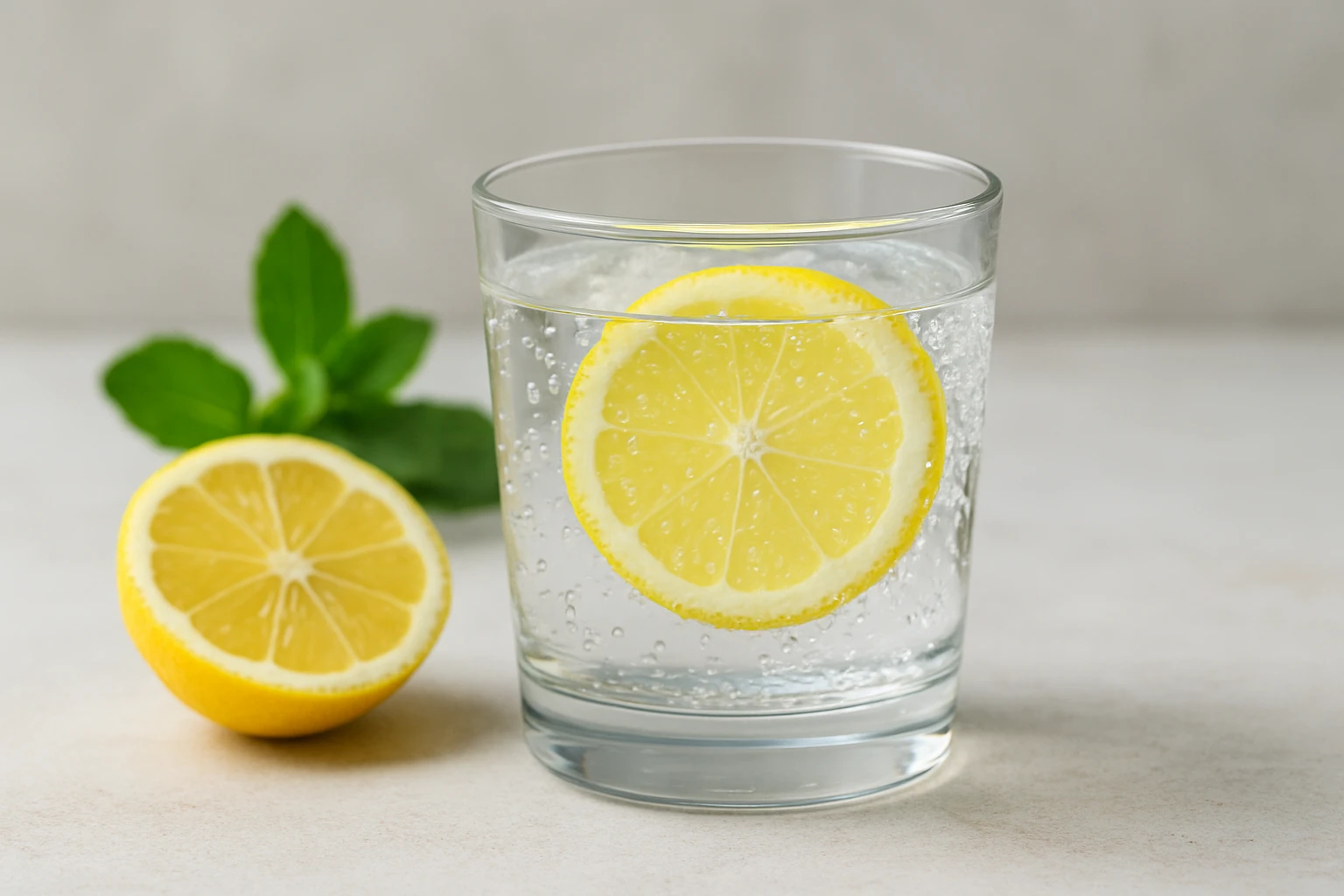
What it is: without a sugar bomb to hide behind, the flavour has to be legit. Low sugar alcohol aims for crisp, clean layers you can actually identify, rather than a single loud note that tastes like lollies.
Why it matters: have you ever taken a sip and thought, is this supposed to be pineapple or passionfruit or both at once? Lower sugar lets the base speak and the fruit shine. The result is a drink that still feels refreshing by the last sip, not heavy or sticky.
Quick example: Coco Loco’s current small-batch flavours include Piña Colada, which brings pineapple notes with a gentle coconut lift, and Passion Spritz with bright passionfruit. Because the alcohol is brewed from coconut water, the finish is clean and beachy, not syrup-thick.
#5 Fewer Kilocalories Per Serve, Naturally
What it is: cut the sugar and you usually cut kilocalories too. That does not mean low flavour. It just means fewer empty extras hitching a ride in your glass.
Why it matters: in warm climates from Brisbane to Perth, you want drinks that refresh without weighing you down. Lower kilocalories can make social occasions feel lighter, especially when you are pairing drinks with food. It is a small lever with a big impact across a weekend.
Quick example: each 330 millilitre Coco Loco can sits at about 115 kilocalories. Compare that to many sugar-forward premixes which commonly push far higher numbers, and you will see why lighter choices are catching on from Perth to Brisbane.
#6 Friendly For Special Diets And Sensitive Guts
What it is: low sugar alcohol products often consider broader dietary needs. That includes options that are gluten-free, fructose-free and vegan, without extra sweeteners or mystery stabilisers sneaking in.
Why it matters: you might be low carbohydrate, low sugar, avoiding gluten or just trying to feel good the morning after. The point is having a drink that fits your plan instead of forcing a workaround. When the label is simple and the sugar is low, you can relax and enjoy.
Quick example: Coco Loco Hard Seltzer is gluten-free, fructose-free and vegan, made with simple, real ingredients. Friends who usually skip the premix shelf can join the party without compromise, whether you are at a Gold Coast picnic or a rooftop in Sydney.
#7 Mixes Better For Smarter Cocktails
What it is: low sugar alcohol is a brilliant base for fresh, lighter cocktails. Because the drink is not already overloaded with sweetness, you can add citrus, herbs and a measured dash of something special without turning the glass into a sugar parade.
Why it matters: summer in Australia or a humid evening in the city calls for drinks that uplift, not overpower. With a lighter base, you can customise flavour while keeping things bright. It also means you can enjoy more food pairings, from yakitori to hawker-style seafood, without a clash.
Quick example: use Coco Loco Passion Spritz with a squeeze of lime and a few mint leaves for a fast backyard spritz. Want more ideas? Explore easy recipes here: Coco Loco cocktail recipes. Because each can is one standard drink, your build stays consistent.
#8 A Drink You Can Feel Good About Making And Buying
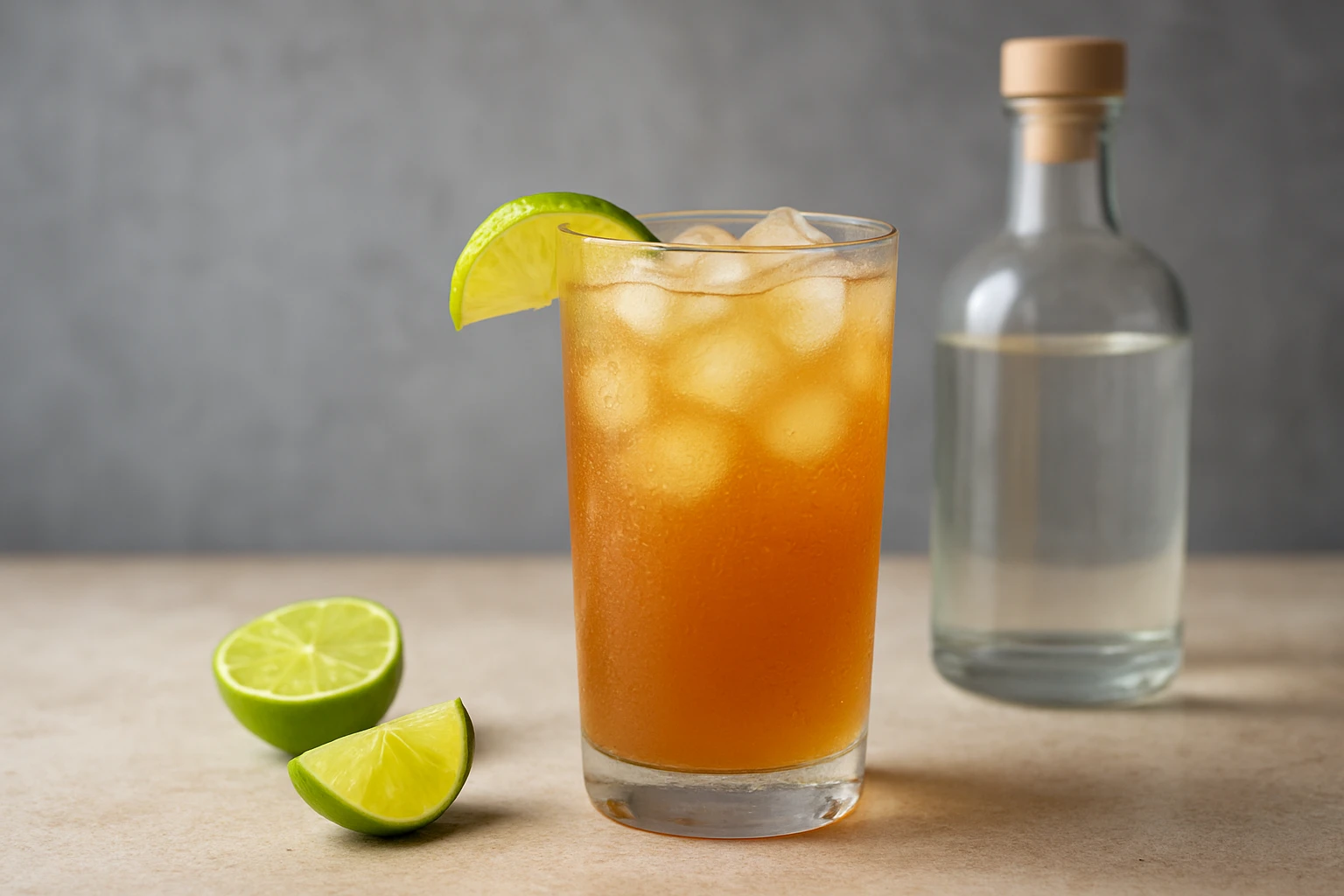
What it is: some low sugar alcohol brands are rethinking how drinks are produced and shipped. Sustainability is not a buzzword when it shows up in ingredients, packaging and distribution choices that actually reduce waste.
Why it matters: if you care about how your food is sourced, the same logic applies to your drinks. Choosing products that prioritise waste reduction and carbon considerations lets your dollars vote for the future you want, in Australia.
Quick example: Coco Loco is brewed in regional Victoria using coconut water sourced within Australia that is nearing its best-before date. Each production run rescues more than 4,500 litres of coconut water from disposal. The brand prioritises carbon neutral thinking across distribution and packaging, so you can raise a can and lower your footprint at the same time.
#9 Proudly Local Craft, Delivered With Care
What it is: low sugar alcohol does not have to be mass-produced. Small-batch makers can maintain quality control, experiment with flavour and keep a tight focus on transparency and education.
Why it matters: there is joy in buying from a team you can actually email, and in knowing your drink was made with purpose. That local connection is a big reason people in Melbourne, Sydney and Brisbane order direct for holidays, weekends away and family barbecues.
Quick example: Coco Loco has developed five flavour recipes, but due to thoughtful sourcing of rescued coconut water, only two or three are made per batch. Right now you can order Piña Colada or Passion Spritz, including mixed packs and 6-packs. Shipping is free for orders over a specified amount; Coco Loco also offers next-day dispatch and a Great Taste Guarantee on returns. Purpose-led and practical.
How To Choose The Right Option
Ready to shop smarter in Australia? Use this simple framework next time you scan a drinks menu or an online store.
- Check sugar per serve: look for grams per can or bottle, not just marketing claims. Aim for single digits for an easy win.
- Confirm alcohol strength: a steady ABV (alcohol by volume) helps with pacing. If one can equals one standard drink, tracking is easy.
- Read the ingredient list: shorter is better. Favour brewed bases and natural flavours over syrups and artificial sweeteners.
- Match to your diet: gluten-free, fructose-free and vegan options exist. If you follow low sugar or low carbohydrate eating, verify the numbers.
- Consider sustainability: look for local production, responsible sourcing and packaging choices that reduce waste.
- Think about use case: sipping straight, mixing into light cocktails or pairing with food. Choose a profile that suits your plan.
If you want a head start, Coco Loco Hard Seltzer ticks these boxes: alcohol brewed from coconut water, 3.6 grams of sugar per 330 millilitre can, about 115 kilocalories, one standard drink at 4 percent ABV (alcohol by volume), gluten-free, fructose-free, vegan and Australian-made.
Final Thoughts
Here is the bottom line: moving to low sugar alcohol gives you flavour, balance and control without the syrupy side effects.
Imagine the next 12 months where your esky or fridge is stocked with lighter cans you love, from coastal barbecues in Queensland to late-summer picnics in Victoria and rooftop nights in Melbourne. Drinks taste clearer, choices feel easier and mornings are less dramatic.
So, when you open the fridge this weekend, which reason will guide your choice toward low sugar alcohol and a better way to sip?
Sip Smarter With Coco Loco Hard Seltzer
Discover Alcoholic coconut water — alcohol made from coconut water, brewed for naturally low sugar, gluten-free refreshment with simple ingredients and effortless online ordering in Australia.
Shop Low Sugar