


How to Find Australian RTD Low Sugar Options
How to Find Australian RTD Low Sugar Options
If you have ever stood in a bottle shop squinting at tiny nutrition panels, you are not alone. The hunt for genuine Australian RTD low sugar choices can feel like a treasure map with half the clues missing. Here is the good news. In a few simple steps, you can learn to spot what matters on labels, compare sugar honestly, and choose drinks that taste great without a syrupy crash later. I will show you how I do it, the questions I ask, and the exact checks that separate smart picks from sweet surprises, with Coco Loco Hard Seltzer as a clear case study of what right looks like.
Before we dive in, a quick definition for clarity. RTD (ready to drink) simply means you pop the top and you are done. No mixing, no measuring, no guessing. If you are aiming for lower sugar, a little label literacy goes a long way. By the end, you will know how to read grams per 100 millilitres correctly, compare by serve size, and understand how brewed bases like alcoholic coconut water can reduce sugar naturally. You will also walk away with a shortlist method that works in Australia and can be adapted for other markets (for example Singapore, Hong Kong, China, South Korea, Japan and Macau), plus a handy comparison table you can snapshot for later.
Prerequisites and Tools
Nothing fancy here, just a few small habits and quick tools to make comparison simple.
- Phone with a calculator. You will use it to convert grams per 100 millilitres into sugar per can.
- A simple rule of thumb: low sugar is usually under 5 grams per 330 millilitres. We will refine that in Step 1.
- Patience for label fine print. Serves per can and carb lines matter more than bold front claims.
- Awareness of your preferences. Dry and crisp, light and fruity, or dessert-in-a-can vibes.
- Optional but fun: a tasting notebook or notes app for side-by-side comparisons at home.
Step 1: Set Your Sugar Goal Like A Pro
Start with a clear target. For most people looking to reduce sweetness, anything under 5 grams of sugar per 330 millilitres feels genuinely light, 5 to 12 grams is moderate, and over 12 grams quickly moves into sweet territory. Those are not hard rules, just a practical guide based on what you will find on shelves in Australia and across the Asia Pacific region. If you like a drier sip, set your goal closer to 0 to 5 grams per can. If you prefer a touch of ripe fruit, give yourself room up to 8 grams.
Why set a target first? Because claims on the front can be slippery. Phrases like light or no artificial flavours do not speak to actual sugar. Real numbers do. Many popular mixed spirit cans sit anywhere from 10 to 30 grams per serve, depending on the recipe and size, which explains why they can taste like soft drink. In contrast, naturally brewed bases that ferment sugars out as alcohol often land much lower. Coco Loco Hard Seltzer, which brews alcohol from coconut water, lands at 3.6 grams of naturally occurring sugar per 330 millilitres can. Keep that number in mind as a helpful benchmark.
Step 2: Read The Label Without Guesswork
Labels can be confusing, but there are only three lines you truly need to nail.
- Carbohydrates and sugars per 100 millilitres. This is your anchor. Multiply by the can size, then divide by 100 to estimate total sugar per can.
- Servings per package. Some cans list one serve, others sneak in 1.2 or more. If there are more than one, multiply sugars per serve by the number of serves.
- Ingredients. Look for brewed or fermented bases, real fruit or natural flavours, and note sweeteners if present. Common non-sugar sweeteners can change the flavour profile.
Quick example you can do in your head: if a can shows 1.1 grams sugar per 100 millilitres and the can is 330 millilitres, total sugar is roughly 3.6 grams per can. That is the same ballpark as Coco Loco Hard Seltzer. If another shows 6.0 grams per 100 millilitres and the can is 375 millilitres, you are holding about 22.5 grams of sugar. And yes, sometimes labels round, so treat these as close estimates, not lab-grade certainties.
Step 3: Build A Shortlist Of Australian RTD Low Sugar Drinks
Time to put your label skills to work. Start online, then sanity-check in person. Search for phrases like low sugar ready to drink (RTD), brewed seltzer Australia, Australian-made, coconut water alcohol and natural ingredients. If you are in Sydney, Melbourne, Brisbane, Perth, Adelaide or regional centres, many independent stores list nutrition info on product pages. Cross-check sugar per 100 millilitres and per can. Make a shortlist of three to five that meet your under-5-grams target and note the alcohol by volume for moderation goals.
Travel or living across Asia Pacific? Use the same method with a local twist. In Singapore and Hong Kong, look for Australian import sections online and filter by sugar or nutrition panel. In Japan and South Korea, check English product pages or look for the Japanese term for sugar on the nutrition table to confirm grams per 100 millilitres. In Macau and China, prioritise listings that show full nutrition panels in grams, then compare per serve to ensure size is standard. However you search, the rule holds: pick the drink with the right numbers, not the boldest claim.
Step 4: Compare Styles Side By Side To Spot The Real Low Sugar
Now that you have a shortlist, let us look at typical ranges by style. These are common values you will see from scanning labels across shelves. Use them as a quick compass.
| Style | Typical Sugar Per 330 ml | Approx Kilocalories (kcal) Per 330 ml | Ingredient Approach | Pros | Trade-offs |
|---|---|---|---|---|---|
| Spirit plus mixer premix | 12 to 30 g | 140 to 220 kcal | Distilled spirit with sweetened soda or juice | Bold flavour, familiar profiles | Often high sugar, can taste like soft drink |
| Wine spritzer style | 8 to 18 g | 120 to 180 kcal | Wine with sparkling water and flavour | Fruity, easy sipping | Moderate sugar depending on fruit content |
| Hard seltzer with fermented base | 0 to 6 g | 90 to 120 kcal | Brewed alcohol with flavours and carbonation | Crisp, often lighter sugar | Flavour varies by sweetener choice |
| Alcohol brewed from coconut water | About 3 to 5 g | 110 to 120 kcal | Fermented coconut water base, natural flavours | Balanced, naturally lower sugar, smooth finish | Often small-batch, limited flavours per run |
| Zero sugar with sweeteners | 0 g | 80 to 120 kcal | Distilled spirit or brewed base with non-sugar sweeteners | Very low sugar count | Artificial sweetener aftertaste for some palates |
Note: ranges are indicative and based on common label values in Australia and neighbouring markets. Calories vary with alcohol by volume and recipe. Your best bet is still the actual nutrition panel on the can you are holding.
Step 5: Ingredients Matter More Than Hype
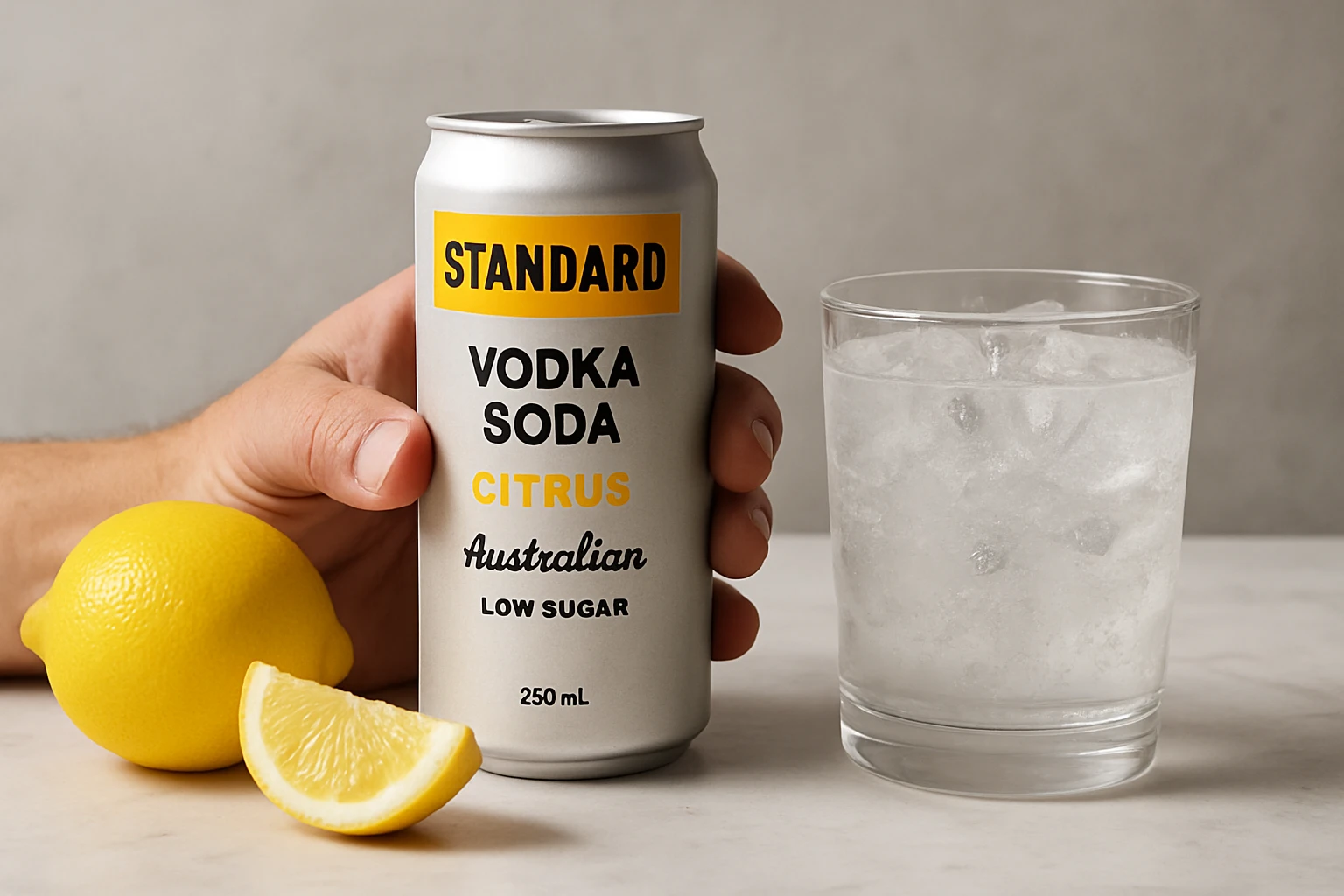
This is where many people have their lightbulb moment. If a drink’s base is brewed, much of the natural sugar gets fermented into alcohol, which is why many brewed seltzers and coconut water alcohols land in that 0 to 6 grams window. When the base is spirit plus soft drink, sugar stays in the can. Then there is the third path: zero sugar options with artificial or high-intensity sweeteners that lower the sugar line but change the taste profile. None of these are right or wrong, but knowing the trade-offs helps you choose what you actually enjoy.
Coco Loco Hard Seltzer takes the brewed path and makes the alcohol from coconut water itself. That is a big deal for flavour and numbers. Each 330 millilitres can naturally sits at 3.6 grams of sugar, with a rounded tropical finish that does not scream lollies. The ingredient list is short and familiar, it is gluten free, fructose free and vegan, and it is brewed in regional Victoria using locally sourced coconut water that would otherwise go to waste. Short list of ingredients, real process, clean finish. That is the kind of label that passes my sniff test every time.
Step 6: Balance Alcohol, Calories And Serve Size
Moderation and numbers are best friends. A can that sits around 4 percent alcohol by volume typically lands at approximately one standard drink in Australia for a 330 millilitres serve. Coco Loco Hard Seltzer is deliberately set at that level so you can pace yourself and enjoy the flavour. Calories usually scale with alcohol content and residual sugar. If controlling energy intake matters to you, pick a consistent alcohol by volume and sugar target, then stick to it across brands so your comparison is apples to apples.
Two quick formulas you can keep in your notes. First, total sugar per can is sugar per 100 millilitres multiplied by can size, then divided by 100. Second, standard drinks in Australia equal volume in litres multiplied by alcohol by volume multiplied by 0.789. You do not have to memorise the math; just use your calculator once, then save your picks. The aim is not to be a lab technician, it is to avoid accidental dessert-in-a-can when you wanted something crisp and refreshing.
Step 7: Shortlist Checks for Australia and how to adapt the method in other markets
Local shelves change, but your checklist travels well. Here is how to zero in on reliable, low sugar options wherever you are.
- Australia: Filter by Australian-made, brewed, and show nutrition panel. Search for coconut water alcohol and natural seltzer. Look for small-batch notes and transparent sugar figures.
- Singapore and Hong Kong: Use importers that publish grams per 100 millilitres. Sort by sugar or by keto friendly filters if available, then cross-check the can image for the actual numbers.
- Japan and South Korea: When nutrition panels are in local languages, focus on the number next to grams and 100 millilitres. Many sites show English copies of key lines. Use a translation app if needed.
- Macau and China: Prioritise sellers with full nutrition tables and product photos of the back label. Confirm can size to avoid per 500 millilitres surprises.
Wherever you search, apply the same rule set: brewed or fermented base, under-5-grams target, one standard drink per 330 millilitres where possible, and simple ingredients. That is your portable system.
Step 8: Taste Test At Home Without The Guesswork
Once you have a shortlist, do a tiny at-home tasting with friends. Keep it simple: pour small samples into identical glasses, start with the driest option first, and score them on a few criteria. You will be surprised how quickly your palate spots the outliers. It is not about being fancy, it is about learning which cans you will actually reach for again on a Friday evening.
| Criteria | Why It Matters | Scoring Tip |
|---|---|---|
| Sweetness | Confirms if the sugar number matches your taste | 1 very dry, 5 balanced, 10 very sweet |
| Finish | Aftertaste tells you about sweeteners and base quality | 1 clean, 5 neutral, 10 lingering or artificial |
| Flavour authenticity | Real fruit character vs. candy notes | 1 natural, 5 pleasant, 10 artificial |
| Sessionability | Can you sip one or two without palate fatigue | 1 tiring, 5 easy, 10 too sweet to continue |
Use your notes to create a go-to rotation. For me, a brewed base with about 3 to 4 grams sugar per 330 millilitres wins on taste, balance and refreshment. Coco Loco’s Pina Colada, a pineapple-led profile, and Passion Spritz, a passionfruit sparkle, both sit in that zone with one standard drink per can. If you like variety, the mixed pack keeps things lively without wrecking your sugar target.
Step 9: Buy Smart, Support Local, Drink Better
If you like supporting Australian-made products, this is where your shortlist turns into action. Coco Loco Hard Seltzer is brewed in regional Victoria with coconut water sourced entirely within Australia. Even better, they rescue coconut water that is close to its best-before date, which reduces food waste and carbon impact. The brand is proudly carbon conscious across ingredients, packaging and distribution. Small-batch means you get fresh stock and lots of care, but it also means limited flavours per run. There are five recipes in development, yet only two or three are produced at a time depending on coconut water supply.
Shopping is straightforward. You can order online in convenient 6-packs; the brand offers Australia-wide shipping and the website details shipping thresholds and delivery options. Right now the range includes Pina Colada, which leans pineapple, and Passion Spritz, a bright passionfruit take, plus mixed packs when available. Each can is 4 percent alcohol by volume and equals one standard drink, which makes pacing easy whether you are on a beach weekend, a balcony barbecue or a long lunch. If you like to play bartender at home, you can also browse cocktail ideas here: Coco Loco cocktail recipes. Spritz season, sorted.
Common Mistakes To Avoid
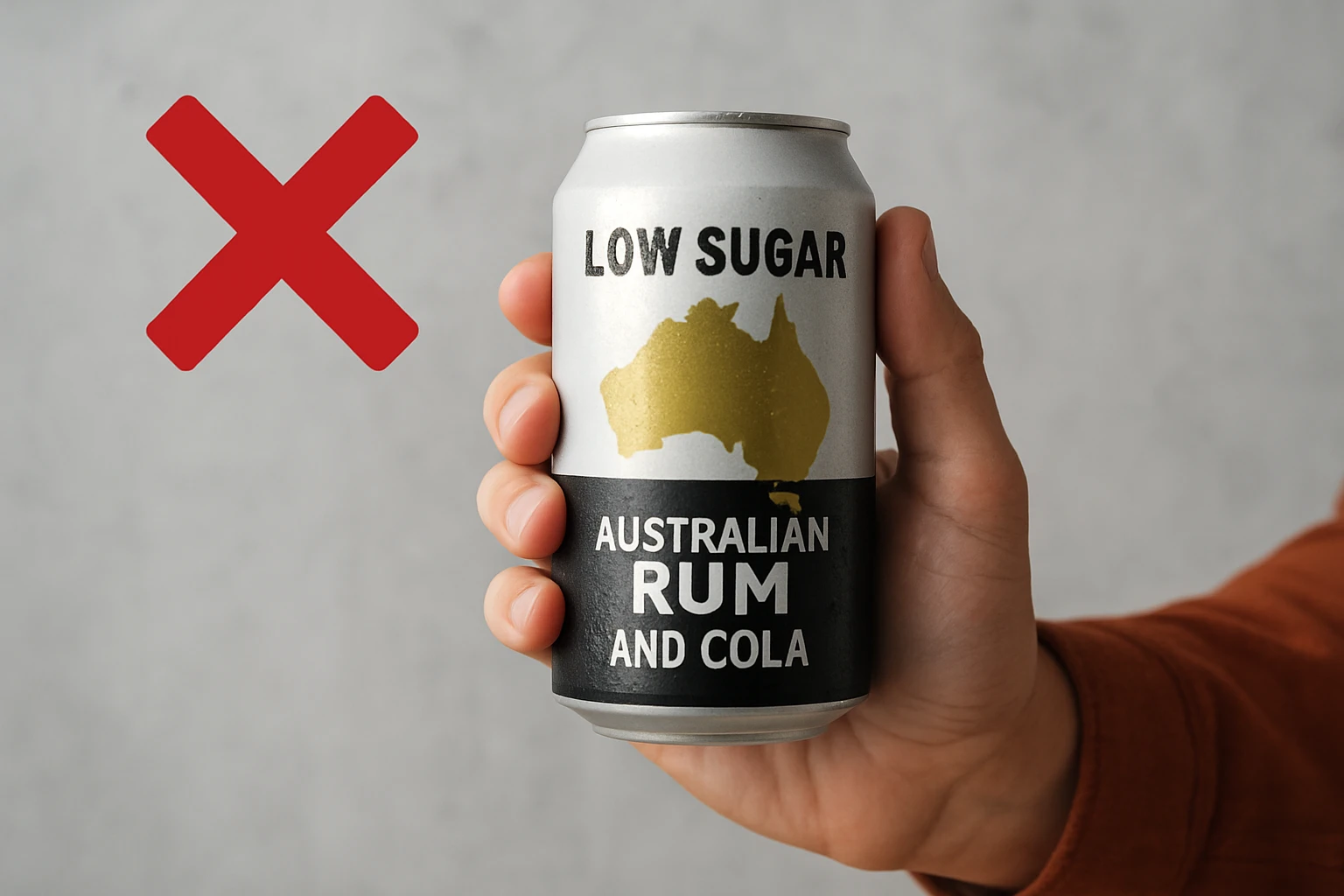
- Chasing front-of-can slogans instead of the nutrition table. Sugar lives on the back, not the billboard.
- Comparing cans of different sizes. Always convert to sugar per can or per 100 millilitres.
- Ignoring sweeteners. Zero sugar is not the same thing as a clean finish. Taste is personal, so test.
- Forgetting alcohol by volume. Two low sugar cans can feel very different if one is stronger.
- Assuming Australian-made means low sugar by default. It does not. You still need the numbers.
- Overlooking small-batch availability. If you find a favourite, consider a 6-pack while it is in stock.
Case Study: The Two-Weekend Upgrade
On a recent trip up the coast, my mate and I tried the usual random grab approach one Friday, then used the label method the next. Weekend one tasted like soft drink roulette. Weekend two tasted like a breezy afternoon. We filtered for brewed bases, under-5-grams sugar, and roughly one standard drink per can. The standouts were the ones that put process first and sugar second, like brewed coconut water alcohol with naturally low sugar. The difference was noticeable on the palate and on the nutrition panel. Lesson learned. A few extra seconds on the label saves you from making your esky taste like a confectionery aisle.
Why Coco Loco Hard Seltzer Fits The Brief
Let us pull the threads together. Coco Loco brews alcohol from real coconut water, which naturally reduces total sugar per serve. Each 330 millilitres can contains 3.6 grams of sugar for about 115 kilocalories, and is gluten free, fructose free and vegan. Flavour-wise, the Pina Colada leans pineapple and the Passion Spritz is a fresh passionfruit profile. Everything is Australian-made in regional Victoria, and the brand is purpose-led, asking Australians to drink less but better. The small-batch model means two or three flavours at a time, the ingredients list is short, and the approach is transparent.
Beyond the can, the mission matters. Coco Loco focuses on direct-to-consumer so they can talk openly about sugar, sweeteners and moderation, not just volume. By rescuing coconut water that is scheduled for destruction because of best-before-date requirements, each production run saves thousands of litres from waste. That is something you can feel good about when you click checkout. And yes, if you like a spritz twist, their cocktail ideas are waiting for you online.
FAQ: Quick Answers You Might Be Thinking
Short and sweet, the way labels should be.
- What counts as low sugar for ready to drink (RTD) cans? Under 5 grams per 330 millilitres is a sensible target for a crisp, not-syrupy sip.
- How many standard drinks are in a 330 millilitres can at 4 percent alcohol by volume? Approximately one standard drink in Australia.
- What if I prefer zero sugar? Totally fine. Just check which sweeteners are used and taste test to see if you enjoy the finish.
- Is Coco Loco Hard Seltzer gluten free and fructose free? Yes, and vegan too.
- Where is Coco Loco made? In regional Victoria, Australia, using locally sourced coconut water.
- How many flavours are there? Five recipes exist, with two or three brewed per batch depending on coconut water supply. Currently available: Pina Colada and Passion Spritz, with mixed packs when in stock.
Your Step-By-Step Shopping Checklist
Keep this mini flowchart in your phone. It works in Australia and can be adapted for other markets such as Singapore, Hong Kong, China, South Korea, Japan and Macau.
- Search for brewed, Australian-made, coconut water alcohol or natural seltzer.
- Open the nutrition panel photo. Confirm grams of sugar per 100 millilitres and can size.
- Calculate total sugar per can. Aim for under 5 grams if you prefer a drier style.
- Check alcohol by volume. Around 4 percent equals about one standard drink per 330 millilitres.
- Skim ingredients. Short and natural is a good sign. Note sweeteners and decide if you like them.
- Add one familiar flavour and one new flavour to your cart for a simple at-home tasting.
- Save your favourites and watch for 6-pack deals or shipping perks like free over 120 dollars.
That is it. Simple, repeatable, and friendly to your palate.
Final Thoughts
Smart label reading turns a confusing shelf into a clear path to genuinely low sugar, great-tasting cans. Imagine your next picnic where every sip tastes bright, not sticky, and moderation feels easy because each can sits at one standard drink. What will you do with the extra time and headspace when choosing drinks feels simple, transparent and a little more aligned with your values?
Choose Coco Loco Hard Seltzer for Low Sugar Sipping
Discover Australian-made coconut water brewed seltzer with Naturally low sugar alcohol (3.6g per can), gluten free and fructose free, crafted for balanced enjoyment and Australia-wide online delivery.
Shop Better Drinks